
Your Leg Pain Could be Peripheral Artery Disease
September 29, 2026

If you experience pain, cramping, or weakness in your legs when you walk, you may assume it's arthritis, a muscle problem or simply getting older. But recurring leg pain may be a sign of peripheral artery disease (PAD).
Sonya Tuerff, MD, medical director of Vascular Surgery at Memorial Healthcare System, emphasizes the importance of prevention and recognizing the condition early.
“Underdiagnosis of PAD contributes to delayed or missed opportunities for interventions,” says Dr. Tuerff. “The good news is that PAD can often be managed with lifestyle changes and medication. When needed, vascular specialists also have several minimally invasive and surgical options to improve blood flow.”
What is peripheral artery disease (PAD)?
PAD happens when arteries that lead to your legs are narrowed or blocked, most often in the legs.
Think of your arteries as highways that carry oxygen-rich blood to your muscles and tissues. When plaque builds up inside an artery, the ‘highway’ becomes narrower, causing traffic to slow down or bottleneck. Less blood can reach your legs, especially when your muscles need more oxygen during walking or exercise.
PAD is a progressive disease in which arteries, typically in the lower limbs, can become partially or completely blocked. The same risk factors that contribute to heart disease— such as high blood pressure, high cholesterol, diabetes and smoking—can also contribute to PAD.
What are the symptoms of PAD?
The most common symptom of PAD is pain, aching, cramping or tiredness in the leg that starts during walking or exercise and improves after resting. You may notice:
- Cramping or aching in your calf, thigh, butt or foot when walking
- Leg fatigue or weakness during activity
- Pain that improves after you stop and rest
- One foot or leg feeling colder than the other
- Changes in the color of your foot or leg
- Slow-growing toenails or less hair growth on your legs
- Numbness or tingling
- Sores on your feet or toes that heal slowly or do not heal
Some people with PAD have few or no symptoms. Others may mistake their symptoms for arthritis, sciatica, muscle pain or another condition. PAD-related pain typically occurs in the muscles during activity and improves with rest. That pattern is different from many types of joint or nerve pain.
Is leg pain always a sign of PAD?
No. Leg pain can have many causes, including arthritis, nerve problems, muscle injuries and vein conditions. However, PAD is important to consider if you have risk factors such as diabetes, smoking, high blood pressure, high cholesterol or a family history of vascular disease.
If you notice that your legs consistently hurt or become tired when you walk, particularly if the discomfort goes away when you rest, ask your primary care doctor whether PAD could be the cause.
Who should I see if I think I have PAD?
A primary care doctor is a good place to start if you have symptoms that could be PAD. A vascular surgeon is the specialist who diagnoses and treats diseases affecting the arteries and veins throughout the body, including PAD.
Your primary care doctor can evaluate your symptoms and risk factors and may perform an initial circulation test or refer you to a vascular specialist. You can also ask your primary care doctor for a referral to a vascular surgeon, especially if you have persistent symptoms, a diagnosis of PAD, or a wound that isn't healing.
The Society for Vascular Surgery recommends seeing a vascular surgeon because they can manage PAD with medication, exercise and lifestyle changes, and determine whether minimally invasive procedures or open surgery is needed.
How is PAD diagnosed?
PAD is diagnosed using your medical history, a physical exam, and a simple test called an ankle-brachial index—a painless test that compares blood pressure in your ankle with blood pressure in your arm. Your provider may also check the pulses, temperature, skin color and condition of your feet and legs.
How is PAD treated?
The right treatment depends on the location and severity of the blockage, your symptoms, how much blood flow is reduced, and your overall health. Treatment may include lifestyle changes, medications, minimally invasive procedures, or open surgery:
Lifestyle changes
- Quitting smoking
- Structured walking or exercise program
- Following a heart-healthy eating plan
- Managing your blood pressure
- Managing your cholesterol
- Keeping diabetes under control
- Maintaining a healthy weight
Medication
Depending on your health and risk factors, your doctor may prescribe medication to:
- Reduce your risk of blood clots
- Lower cholesterol
- Control blood pressure
- Manage diabetes
- Reduce your risk of heart attack and stroke
Procedures and Surgery
Some people need a minimally invasive procedure or open surgery to improve blood flow through a narrowed or blocked artery. Depending on your condition, treatment may include one of the following procedures:
- Angioplasty: A balloon is inserted into the narrowed or blocked artery. Once in place, it’s inflated to widen the artery to allow blood to flow, and then deflated and removed.
- Stent: Often combined with angioplasty, a small metal mesh tube is inserted into the narrowed or blocked artery to keep it open after an inflated balloon is removed.
- Atherectomy: Removal of hardened and calcified plaque by shaving or cutting it from the walls of the artery.
- Bypass surgery: Open surgery for severe PAD cases that involves using a vein from your body to create a new pathway for blood to flow around the blocked artery.
Can PAD be prevented or managed?
You may not be able to prevent every case of PAD, but you can lower your risk and help slow the disease if you have it. The most important steps include:
- Don't smoke. If you smoke, ask for help quitting.
- Stay physically active.
- Manage your blood pressure and cholesterol.
- Keep your blood sugar under control if you have diabetes.
- Follow a heart-healthy eating plan.
- Take prescribed medications as directed.
- Pay attention to changes in your feet and legs.
- Keep regular appointments with your healthcare team.
“The sooner PAD is identified, the sooner you and your healthcare team can take steps to manage it,” says Dr. Tuerff. “Prevent disease whenever you can, for prevention is preferable to a cure.”
Don't ignore recurring leg pain
PAD isn't simply a condition that affects your legs. It is a disease of the blood vessels that can also signal a higher risk of heart attack and stroke. If left untreated, PAD could lead to critical limb ischemia (CLI), an advanced stage of PAD when there is not enough blood flow and oxygen to a specific part of the body, resulting in severe pain at rest, and tissue loss and/or amputation due to non-healing sores or gangrene of the foot and legs.
“PAD is the main cause of non-traumatic leg amputations, says Dr. Tuerff. “Today, between 8 to 12 million Americans live with the condition, and leads to approximately 400 amputations every day in the United States.”
CLI will not improve on its own. The poor prognosis demands a multidisciplinary approach involving interventional radiologists who are specialists in endovascular revascularization, surgeons, podiatrists, wound care experts and other specialties.
If your legs hurt when you walk, don't assume it's just aging. Talk with your doctor, ask about PAD, and find out whether you should see a vascular specialist.
Call us for more information or to schedule an appointment
Hollywood: 954-265-4664 Pembroke Pines: 954-844-4664
Medically Reviewed by Sonya Tuerff, MD
This content has been medically reviewed to ensure clinical accuracy.


Related Providers
-


 Paola Casanova, MD Cardiology, Women's Heart Health
 -
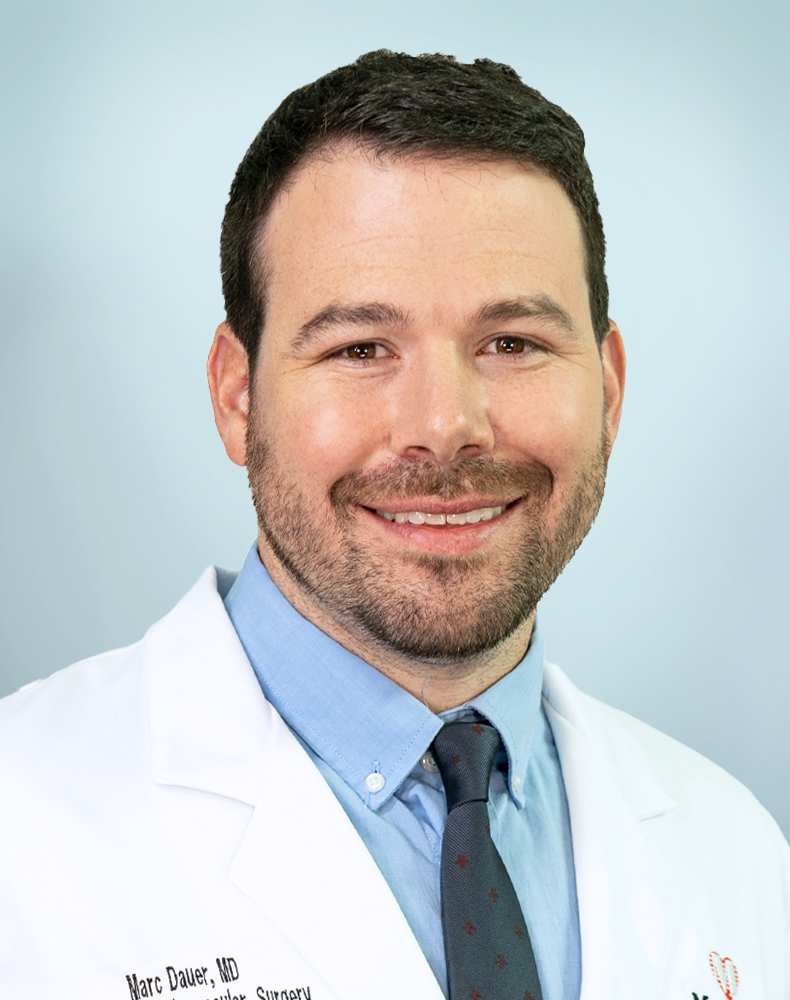 Marc Dauer, MD Vascular Surgery
 -
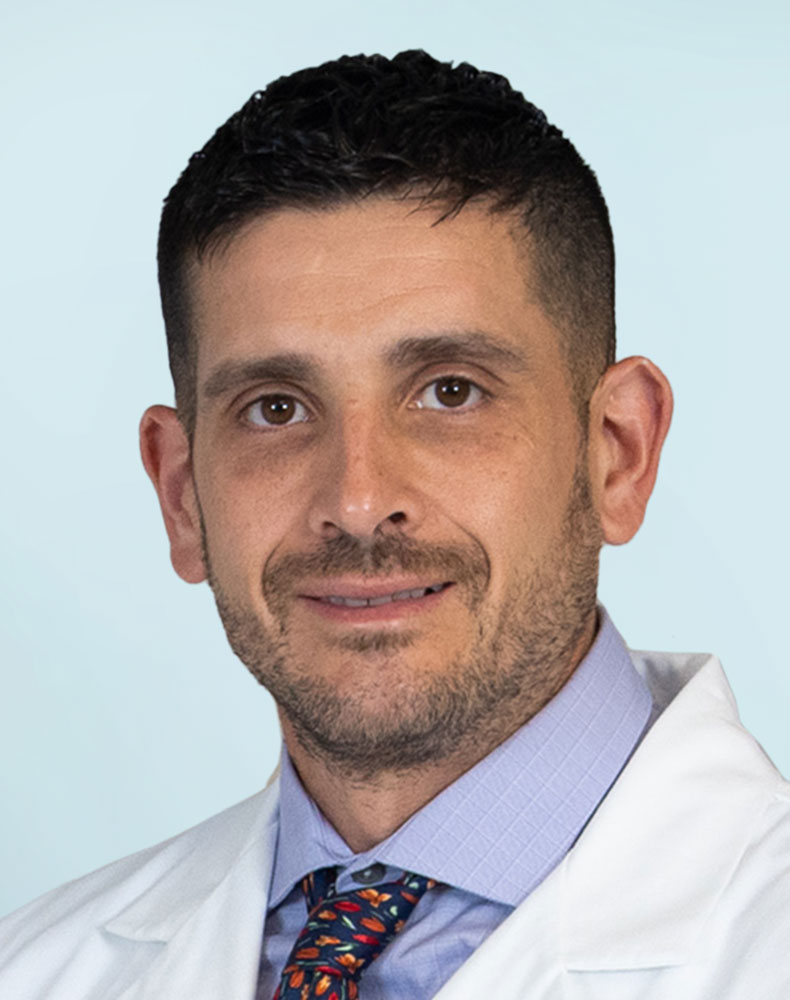 Pablo De Los Santos, MD Vascular Surgery
 -
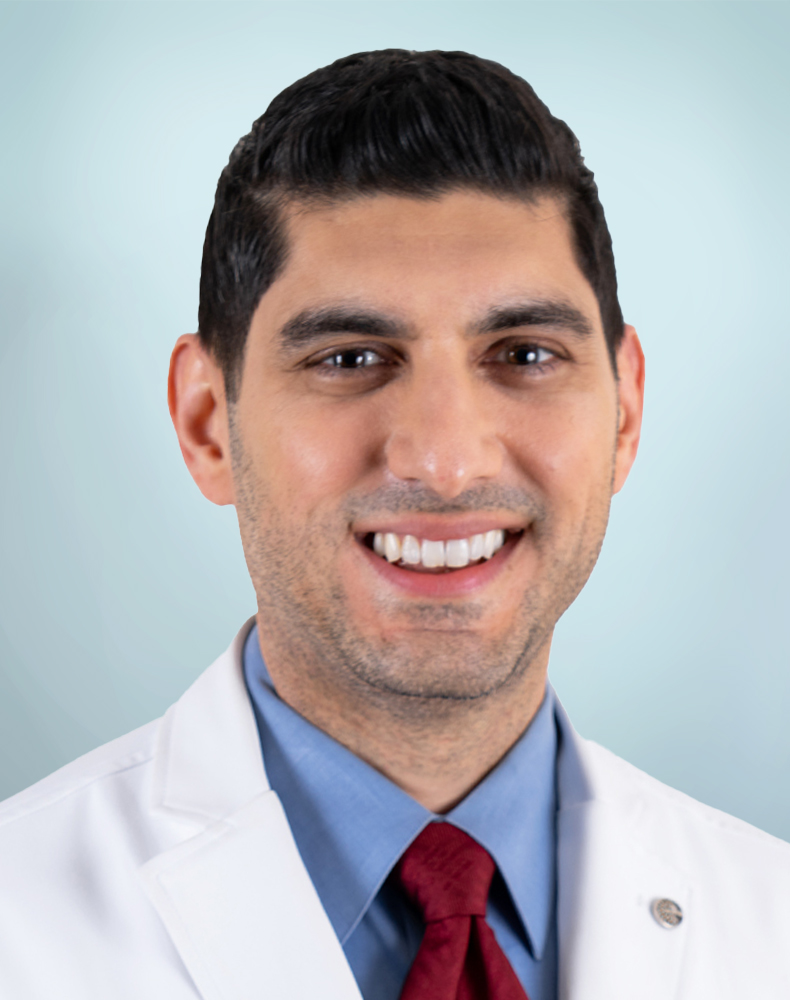 Joseph Habib, MD Vascular Surgery
 -
 Lidie Lajoie, MD Vascular Surgery
 -
 Sean O'Donnell, MD Vascular Surgery
 -
 Eduardo Rodriguez Zoppi, MD Vascular Surgery
 -
 Sonya Tuerff, MD Vascular Surgery
 -
 Joshua Unger, MD Vascular Surgery
 -
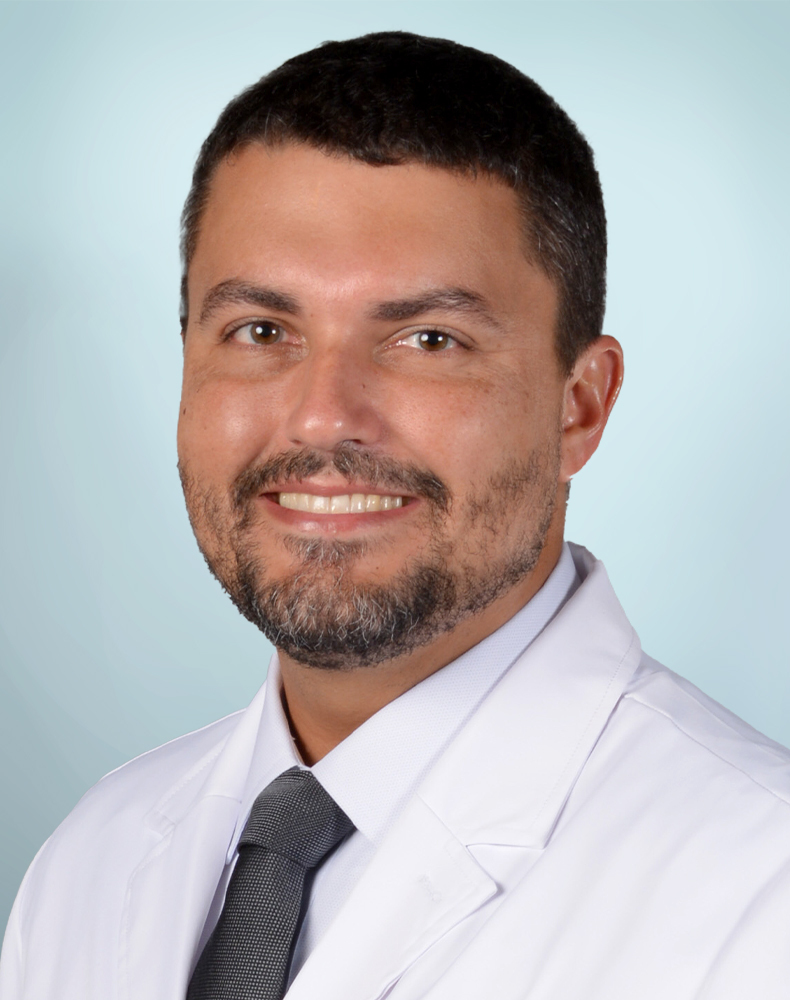 Miguel Villalobos, MD Vascular Surgery
